Ashtakam
Complete Text
8 Verses · 4 min
Madhurashtakam (मधुराष्टकम्)
मधुराष्टकम्
Composer: Mahaprabhu Shrimad Vallabhacharya
· Best Time: Morning & Evening Krishna Bhakti
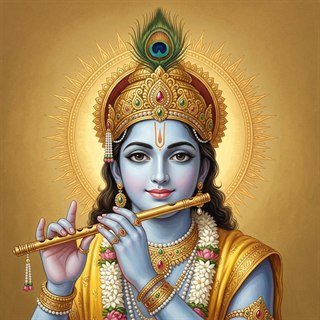
Celebrates the complete sweetness of Lord Krishna - every attribute, gesture, word, and deed is sweet.
Verse 1
अधरं मधुरं वदनं मधुरं नयनं मधुरं हसितं मधुरम् ।
हृदयं मधुरं गमनं मधुरं मधुराधिपतेरखिलं मधुरम् ॥ १ ॥
adharaṁ madhuraṁ vadanaṁ madhuraṁ nayanaṁ madhuraṁ hasitaṁ madhuram |
hṛdayaṁ madhuraṁ gamanaṁ madhuraṁ madhurādhipater akhilaṁ madhuram || 1 ||
भावार्थ (हिन्दी): उनके ओंठ मधुर हैं, मुख मधुर है, नेत्र मधुर हैं, हास्य मधुर है, हृदय मधुर है, और उनकी चाल भी मधुर है। मधुरता के स्वामी श्रीकृष्ण का सब कुछ मधुर है! ॥ १ ॥
English Meaning: His lips are sweet, His face is sweet, His eyes are sweet, His smile is sweet, His heart is sweet, and His gait is sweet. Everything about the Lord of Sweetness is utterly sweet!
Verse 2
वचनं मधुरं चरितं मधुरं वसनं मधुरं वलितं मधुरम् ।
चलितं मधुरं भ्रमितं मधुरं मधुराधिपतेरखिलं मधुरम् ॥ २ ॥
vacanaṁ madhuraṁ caritaṁ madhuraṁ vasanaṁ madhuraṁ valitaṁ madhuram |
calitaṁ madhuraṁ bhramitaṁ madhuraṁ madhurādhipater akhilaṁ madhuram || 2 ||
भावार्थ (हिन्दी): उनकी वाणी मधुर है, चरित्र मधुर है, वस्त्र मधुर हैं, उनका मुड़ना मधुर है, उनका चलना मधुर है, और उनका भ्रमण करना मधुर है। मधुराधिपति का सब कुछ मधुर है! ॥ २ ॥
English Meaning: His words are sweet, His character is sweet, His garments are sweet, His posture is sweet, His walking is sweet, and His wandering is sweet. Everything about the Lord of Sweetness is sweet!
Verse 3
वेणुर्मधुरो रेणुर्मधुरः पाणिर्मधुरः पादौ मधुरौ ।
नृत्यं मधुरं सख्यं मधुरं मधुराधिपतेरखिलं मधुरम् ॥ ३ ॥
veṇur madhuro reṇur madhuraḥ pāṇir madhuraḥ pādau madhurau |
nṛtyaṁ madhuraṁ sakhyaṁ madhuraṁ madhurādhipater akhilaṁ madhuram || 3 ||
भावार्थ (हिन्दी): उनकी बांसुरी मधुर है, उनके चरण-रज मधुर है, उनके कर-कमल मधुर हैं, चरण मधुर हैं, उनका नृत्य मधुर है, और उनकी मित्रता मधुर है। मधुराधिपति का सब कुछ मधुर है! ॥ ३ ॥
English Meaning: His flute is sweet, the dust of His lotus feet is sweet, His hands are sweet, His feet are sweet, His dancing is sweet, and His friendship is sweet. Everything about the Lord of Sweetness is sweet!
Verse 4
गीतं मधुरं पीतं मधुरं भुक्तं मधुरं सुप्तं मधुरम् ।
रूपं मधुरं तिलकं मधुरं मधुराधिपतेरखिलं मधुरम् ॥ ४ ॥
gītaṁ madhuraṁ pītaṁ madhuraṁ bhuktaṁ madhuraṁ suptaṁ madhuram |
rūpaṁ madhuraṁ tilakaṁ madhuraṁ madhurādhipater akhilaṁ madhuram || 4 ||
भावार्थ (हिन्दी): उनका गान मधुर है, उनका पीना मधुर है, उनका भोजन मधुर है, उनका शयन मधुर है, उनका रूप मधुर है, और उनका तिलक मधुर है। मधुराधिपति का सब कुछ मधुर है! ॥ ४ ॥
English Meaning: His singing is sweet, His drinking is sweet, His eating is sweet, His sleeping is sweet, His form is sweet, and His tilak is sweet. Everything about the Lord of Sweetness is sweet!
Verse 5
करणं मधुरं तरणं मधुरं हरणं मधुरं रमणं मधुरम् ।
वमितं मधुरं शमितं मधुरं मधुराधिपतेरखिलं मधुरम् ॥ ५ ॥
karaṇaṁ madhuraṁ taraṇaṁ madhuraṁ haraṇaṁ madhuraṁ ramaṇaṁ madhuram |
vamitaṁ madhuraṁ śamitaṁ madhuraṁ madhurādhipater akhilaṁ madhuram || 5 ||
भावार्थ (हिन्दी): उनकी चेष्टाएं मधुर हैं, उनका उद्धार करना मधुर है, उनका चित्त-हरण करना मधुर है, उनकी क्रीड़ा मधुर है, उनकी अभिव्यक्ति मधुर है, और उनकी शान्ति मधुर है। मधुराधिपति का सब कुछ मधुर है! ॥ ५ ॥
English Meaning: His deeds are sweet, His liberating grace is sweet, His stealing of hearts is sweet, His loving pastimes are sweet, and His peacefulness is sweet. Everything about the Lord of Sweetness is sweet!
Verse 6
गुञ्जा मधुरा माला मधुरा यमुना मधुरा वीची मधुरा ।
सलिलं मधुरं कमलं मधुरं मधुराधिपतेरखिलं मधुरम् ॥ ६ ॥
guñjā madhurā mālā madhurā yamunā madhurā vīcī madhurā |
salilaṁ madhuraṁ kamalaṁ madhuraṁ madhurādhipater akhilaṁ madhuram || 6 ||
भावार्थ (हिन्दी): उनकी गुंजा-माला मधुर है, वनमाला मधुर है, श्रीयमुना जी मधुर हैं, यमुना की तरंगें मधुर हैं, जल मधुर है, और कमल पुष्प मधुर हैं। मधुराधिपति का सब कुछ मधुर है! ॥ ६ ॥
English Meaning: His berry necklace is sweet, His garland is sweet, the sacred Yamuna river is sweet, her ripples are sweet, the waters are sweet, and the lotuses are sweet. Everything about the Lord of Sweetness is sweet!
Verse 7
गोपी मधुरा लीला मधुरा युक्तं मधुरं मुक्तं मधुरम् ।
दृष्टं मधुरं शिष्टं मधुरं मधुराधिपतेरखिलं मधुरम् ॥ ७ ॥
gopī madhurā līlā madhurā yuktaṁ madhuraṁ muktaṁ madhuram |
dṛṣṭaṁ madhuraṁ śiṣṭaṁ madhuraṁ madhurādhipater akhilaṁ madhuram || 7 ||
भावार्थ (हिन्दी): उनकी गोपियाँ मधुर हैं, उनकी लीला मधुर है, उनका संयोग मधुर है, उनका वियोग मधुर है, उनकी दृष्टि मधुर है, और उनका शिष्टाचार मधुर है। मधुराधिपति का सब कुछ मधुर है! ॥ ७ ॥
English Meaning: His gopis are sweet, His divine pastimes are sweet, union with Him is sweet, longing for Him is sweet, His gaze is sweet, and His courtesy is sweet. Everything about the Lord of Sweetness is sweet!
Verse 8
गोपा मधुरा गावो मधुरा यष्टिर्मधुरा सृष्टिर्मधुरा ।
दलितं मधुरं फलितं मधुरं मधुराधिपतेरखिलं मधुरम् ॥ ८ ॥
gopā madhurā gāvo madhurā yaṣṭir madhurā sṛṣṭir madhurā |
dalitaṁ madhuraṁ phalitaṁ madhuraṁ madhurādhipater akhilaṁ madhuram || 8 ||
भावार्थ (हिन्दी): उनके ग्वालबाल सखा मधुर हैं, उनकी गौएं मधुर हैं, उनकी लकुटी (लाठी) मधुर है, उनकी यह संपूर्ण सृष्टि मधुर है, उनका संहार मधुर है, और उनका फलदान मधुर है। मधुरता के सम्राट भगवान श्रीकृष्ण का सब कुछ मधुर है! ॥ ८ ॥
English Meaning: His cowherd companions are sweet, His cows are sweet, His staff is sweet, His creation is sweet, His vanquishing of demons is sweet, and His blessings are sweet. Everything about the Lord of Sweetness is sweet!